
Most people do not lose their peace in one dramatic moment. They lose it in tiny leaks: a phone checked before getting out of bed, a lunch eaten while answering emails, a drive home spent replaying something that cannot be changed. Mindful Living Tips matter because American life often rewards speed long after speed has stopped helping. A calmer routine does not require a cabin in Vermont, a silent retreat in Arizona, or a personality transplant. It asks for smaller choices made with more attention. That may sound too simple, but simple is often where people quit looking. For readers building better home rhythms, work boundaries, or wellness-focused lifestyle planning through resources like practical lifestyle guidance, the goal is not to escape real life. The goal is to stop letting real life run on autopilot. When your day has a little more space in it, even the same responsibilities feel different. Bills still exist. Traffic still happens. Kids still ask for snacks at the worst possible second. Yet a steady mind changes the weight of all of it.
Mindful Living Tips Begin With How Your Day Starts
A calmer day rarely begins by accident. In many American homes, the morning has become a race between alarms, screens, school drop-offs, coffee, and the first work message of the day. The problem is not that mornings are busy. The problem is that many people hand over their attention before they have even claimed it. A few early choices can protect the tone of the day before the outside world starts making demands.
Calm morning routine choices that protect your attention
A calm morning routine does not need candles, journaling for forty minutes, or a perfect kitchen counter. It needs a pause before input. That means your first act should not be checking texts, news alerts, bank notifications, or social media. Those things pull your mind into other people’s urgency before your own life has had a chance to speak.
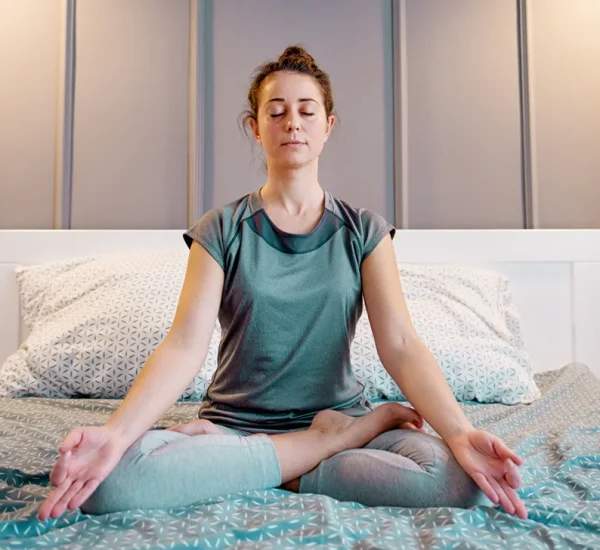
A better start can be as plain as sitting on the edge of the bed, taking five slow breaths, and noticing what kind of energy you woke up with. Some mornings feel heavy. Some feel sharp. Some feel scattered before your feet touch the floor. Naming that state gives you a small but real advantage because you stop pretending every day begins the same way.
For someone in Chicago heading into a crowded train commute or a parent in Dallas packing lunches before work, this tiny reset can change the next hour. You may still move fast, but you move with ownership. A calm morning routine is not about making life look peaceful. It is about refusing to enter the day already captured.
Daily mindfulness before the first decision
Daily mindfulness works best when it appears before the day starts asking for answers. Once the emails, errands, and family needs begin, attention gets expensive. The mind starts bargaining: answer this first, worry about that later, handle one more thing before breakfast. That bargain sounds productive, but it often leaves you irritated by 9 a.m.
The first decision of the day should be intentionally small. Choose your drink without multitasking. Open the blinds and look outside for half a minute. Stretch your hands before touching your phone. These acts are not magical, and that is the point. They train your nervous system to notice that not every moment has to be consumed.
Plenty of people dismiss this because it sounds too minor to matter. That is the trap. A scattered life is built from repeated small surrenders, so a steadier life has to be built from repeated small returns. Daily mindfulness becomes powerful when it stops being an activity and starts becoming the way you enter ordinary moments.
A Calmer Routine Depends on Better Boundaries With Noise
Once the day begins, noise arrives dressed as responsibility. Work chats, breaking news, group texts, online sales, podcasts, alerts, and background television all compete for a place in your head. American culture often treats constant access as normal, but normal does not mean healthy. A calmer routine needs quieter edges, especially during the parts of the day where your mind is already carrying enough.
Mindful habits for phone use
Mindful habits around your phone start with one honest admission: the device is not neutral. It is designed to win your attention. That does not make it evil, but it does mean willpower alone is a weak plan. You need friction between the impulse and the action.
Move your most distracting apps off the home screen. Turn off non-human notifications. Charge the phone outside the bedroom when possible. Set one check-in window for news instead of letting headlines chase you all day. These choices sound small until you notice how much mental weather comes from a screen you never meant to open.
A worker in Atlanta might check a weather alert and end up scrolling through three national arguments before breakfast. A college student in Boston might open one message and lose twenty minutes to short videos. The damage is not only time. The deeper cost is emotional residue. Mindful habits protect your day from content you never chose with a clear mind.
Stress-free living is not silent living
Stress-free living does not mean removing all sound, conflict, or pressure. That fantasy collapses the second a neighbor starts mowing, a manager changes a deadline, or a toddler refuses shoes. Real calm has to survive contact with life as it is. Otherwise, it becomes another fragile project that only works under perfect conditions.
A better approach is selective noise. Choose what deserves entry. Music during dinner may help the house feel warm. A podcast during a walk may make exercise more inviting. A television running through every meal may turn family time into background blur. The difference is not the sound itself. The difference is whether you chose it or drifted into it.
Stress-free living becomes more realistic when you stop chasing silence and start building consent. Your mind should not be an open lobby where every alert, headline, and opinion gets to walk in. Close the door more often. Open it on purpose.
Your Body Sets the Pace Before Your Mind Explains It
Many people try to think their way into peace while ignoring the body that carries the stress. That rarely works for long. The body often knows the truth first: tight jaw, shallow breath, stiff shoulders, clenched stomach, restless hands. A calmer life gets easier when you stop treating those signals as background static and start reading them as useful information.
Simple movement that resets the nervous system
Movement does not have to look like a fitness plan to help your mind settle. A ten-minute walk after lunch, a slow lap around the block after work, or a few stretches before bed can interrupt the stress loop. The body likes proof, not pep talks. When you move, you give it proof that tension has somewhere to go.
This matters in the United States because so much daily life happens seated. People sit in cars, at desks, in waiting rooms, on couches, and through meetings that could have been shorter. The body starts storing the shape of the day. By evening, the mind calls it mood, but the body may be calling it compression.
A walk through a suburban neighborhood, a stair climb in an apartment building, or a slow stretch beside the kitchen counter can all count. The standard is not athletic. The standard is honest. If your body has been locked in one position for hours, give it a different message before asking your mind to calm down.
Food, breath, and the hidden rhythm of the day
Food and breath shape attention more than people like to admit. Skipping meals, drinking too much coffee, and breathing high in the chest can make ordinary problems feel sharper than they are. The mind then builds a story around the discomfort: work is unbearable, people are irritating, the day is ruined. Sometimes the real issue is blood sugar and breath.
A steadier routine can begin with eating before the crash arrives. Keep something simple nearby, such as nuts, yogurt, fruit, soup, or leftovers you can heat without turning lunch into a project. The goal is not a perfect diet. The goal is to stop making your body negotiate stress with no fuel.
Breath works the same way. Longer exhales tell the body that danger is not the only story available. Try breathing in for four counts and out for six while waiting at a red light, standing in a grocery line, or sitting before a meeting. Nobody has to know. That is one of the best parts. Calm can be practiced in public without becoming a performance.
Calm Grows When Your Home Stops Working Against You
Your home does not need to look like a magazine spread to support peace. In fact, chasing that look can create more pressure. A home helps your mind when it reduces repeated friction: lost keys, cluttered counters, unpaid bills hiding in piles, laundry with no place to land, a bedroom that feels like a storage unit. Calm grows faster when the spaces you touch every day stop arguing with you.
Mindful habits for rooms you use every day
The most useful mindful habits at home are tied to points of repeat contact. The entryway, kitchen counter, bathroom sink, nightstand, and work surface carry more emotional weight than people realize. When those areas stay chaotic, the brain receives the same low-grade warning again and again: something is unfinished.
Start with one landing zone near the door. Keys, wallet, bag, sunglasses, mail, and shoes need a place that does not change. This is not about neatness for its own sake. It is about removing one daily search that steals patience before you notice it leaving.
The kitchen deserves the same respect. A cleared counter in the morning can make breakfast feel possible instead of annoying. A sink reset at night can make the next day kinder. Home order works best when it serves use, not appearance. A beautiful room that makes daily life harder is decoration with an ego problem.
Calm morning routine support starts the night before
A calm morning routine often begins before bedtime, when nobody feels like preparing anything. That is why the evening reset should stay small enough to survive tiredness. Lay out clothes. Set up coffee or tea. Put work items near the door. Check tomorrow’s first appointment. Clear one surface that you will see early.
This does not remove responsibility from the next day, but it lowers the emotional price of beginning. The morning version of you should not have to solve every problem created by the night version of you. That may sound funny, but it is also fair. You are allowed to make tomorrow easier.
Families can make this more realistic by giving each person one closing task. A child can place shoes by the door. A teen can pack a bag. An adult can start the dishwasher or sort the mail. Shared calm is built through shared systems, not one exhausted person carrying the whole house.
A Steady Routine Needs Relationships That Respect Space
Calm is not only personal. It is social. The people around you can support peace or keep pulling you into constant reaction. Many Americans live with packed calendars, blended obligations, elder care, co-parenting schedules, workplace pressure, and friendships maintained through endless messages. A steadier life needs kind boundaries that keep connection from becoming another source of noise.
Daily mindfulness in conversations
Daily mindfulness during conversation means listening without preparing your defense at the same time. That sounds simple until someone criticizes your plan, interrupts your story, or says something that hits an old bruise. Most conflict grows in the gap between what was said and what the nervous system heard.
A useful pause can be as short as one breath before answering. That breath gives you time to ask, “Am I responding to this moment, or to the last ten moments that felt like it?” This is where calm gets practical. You stop making every conversation carry the weight of every past frustration.
At work, this can keep a meeting from turning sour. At home, it can prevent a small comment about dishes from becoming a full argument about respect. Listening with attention does not mean agreeing with everything. It means you choose your response instead of letting irritation speak first.
Stress-free living includes saying no cleanly
Stress-free living requires cleaner refusals than most people were taught to give. A weak no invites negotiation. A guilty no invites emotional cleanup. A clear no gives everyone useful information. You do not need a courtroom-level explanation for every boundary.
Try language that stays plain: “I cannot take that on this week.” “I’m keeping Sunday open.” “I won’t be available after dinner.” These sentences may feel blunt at first, especially if you are used to cushioning every limit with apology. Still, calm routines collapse when every open space gets handed away.
The counterintuitive truth is that saying no can make you more generous. When your time is not constantly overdrawn, you show up with less resentment. You answer messages with more patience. You help because you chose to help, not because you failed to protect yourself earlier.
Conclusion
A calmer life is not built by waiting for everything to settle down. That day rarely arrives, and when it does, it does not stay long. Peace has to be practiced inside the ordinary American week: before the commute, between meetings, near the kitchen sink, during hard conversations, and in the small spaces where nobody applauds your effort. Mindful Living Tips work because they bring your attention back to the only place you can act from: the present moment you are actually in. You do not need to rebuild your whole life by Friday. Start with one morning pause, one cleaner boundary, one phone setting, one evening reset, or one walk taken without turning it into a productivity task. Pick the habit that removes the most friction from your day and repeat it until it feels like yours. A calmer routine begins when you stop chasing a different life and start inhabiting this one with more care.
Frequently Asked Questions
What are the best mindful habits for busy Americans?
Start with habits that fit into your existing day: pause before checking your phone, take a short walk after lunch, eat without scrolling, and set one evening reset task. Habits work better when they attach to moments you already repeat.
How can I create a calm morning routine without waking up early?
Prepare one or two things the night before, then protect the first few minutes after waking. You can breathe, stretch, drink water, or sit quietly before opening your phone. The point is attention, not extra time.
Why does daily mindfulness help with stress at work?
It gives you a pause between pressure and reaction. That pause can change how you answer emails, speak in meetings, and handle criticism. You still face the same workload, but your nervous system stops treating every demand like an emergency.
What does stress-free living look like in a normal household?
It looks like fewer avoidable frictions, not perfect peace. Shoes have a place, meals are easier to start, phones do not dominate every room, and family members know basic boundaries. A normal household can feel calmer without looking flawless.
How do mindful living routines improve sleep?
They reduce the mental clutter that often follows people into bed. A short evening reset, lower screen exposure, steady breathing, and fewer late-night decisions help your body understand that the day is closing instead of continuing at full speed.
Can mindful habits help parents manage a packed schedule?
They can help parents respond with more patience and less panic. Small systems, such as school-night prep, shared chores, and phone-free family meals, lower the number of daily decisions. Less decision pressure often creates more emotional room.
How long does it take to build a calmer routine?
Most people notice small changes within a few days, but the deeper shift comes from repetition. Choose one habit and keep it simple enough to repeat during a messy week. A routine becomes reliable when it survives real life.
What is the easiest daily mindfulness practice to start today?
Take one minute before your next task and breathe out longer than you breathe in. Notice your shoulders, jaw, and hands. Then begin again with more attention. It is small, but it teaches your body that rushing is not the only option.