
A small apartment can expose every weak design choice fast. One bulky sofa, one dark corner, one pile of shoes by the door, and the whole place starts to feel less like a home and more like a storage unit with rent due. Good apartment decorating tips do not ask you to buy more things; they ask you to make sharper choices with the space you already have. For many Americans living in studios, shared rentals, city apartments, or compact suburban units, the real challenge is not square footage. It is decision fatigue. You need a room that works for dinner, work calls, sleep, guests, and quiet nights without making you feel boxed in. Even practical inspiration from a trusted digital resource can help you rethink how small choices shape daily comfort. The goal is not to copy a showroom. The goal is to build a place that feels calm, useful, and personal the moment you walk in.
Apartment Decorating Tips That Start With Function
Small rooms punish decoration that ignores daily habits. A pretty chair that blocks the closet becomes an enemy by week two, and a coffee table with sharp corners turns every late-night walk into a negotiation. The best starting point is not color or style. It is honesty about how you live. A home works when your layout respects your routines before it tries to impress anyone else.
Small Apartment Decor Ideas That Match Your Daily Routine
Small apartment decor ideas should begin with the messes you create most often. If mail, keys, bags, and shoes land near the door, that spot deserves design attention before the living room wall does. A slim console, a mounted hook rail, and one closed basket can solve more daily stress than a new accent chair.
The mistake many renters make is decorating the most visible wall first. That feels satisfying for a weekend, but it rarely fixes the friction of the space. A better move is to walk through one normal weekday in your head. Where do you drop your laptop? Where do you eat when you are tired? Where does laundry wait before it gets folded?
Real design lives in those answers. A studio apartment in Chicago, for example, may need a fold-down desk more than a second bookshelf. A rental in Phoenix may need breathable curtains and a lighter rug before it needs artwork. The room should bend around your life, not the other way around.
Space Saving Furniture That Earns Its Floor Area
Space saving furniture has to do more than collapse, fold, or hide. It has to earn trust. A storage ottoman that holds blankets and works as extra seating makes sense. A cheap folding table that wobbles during dinner does not. Small homes need fewer pieces, but each piece carries more responsibility.
The strongest furniture choices often look boring at first glance. A bed with drawers underneath, a narrow dining bench, a nesting side table, or a wall-mounted desk will not scream for attention. That is the point. These pieces reduce the number of objects fighting for space.
One counterintuitive rule helps: avoid furniture that is too tiny. A small sofa, a small rug, and a small lamp can make the room feel nervous and scattered. One full-size anchor piece, chosen carefully, often makes a small room feel calmer than five mini pieces trying to stay out of the way.
Make Every Room Feel Larger Without Pretending It Is Big
Once the layout works, the next job is visual relief. A compact apartment does not need tricks that pretend the room is huge. It needs choices that stop the eye from crashing into clutter, awkward furniture lines, and heavy blocks of color. The room can stay small and still feel open. That difference matters.
Small Living Room Layout Choices That Create Breathing Room
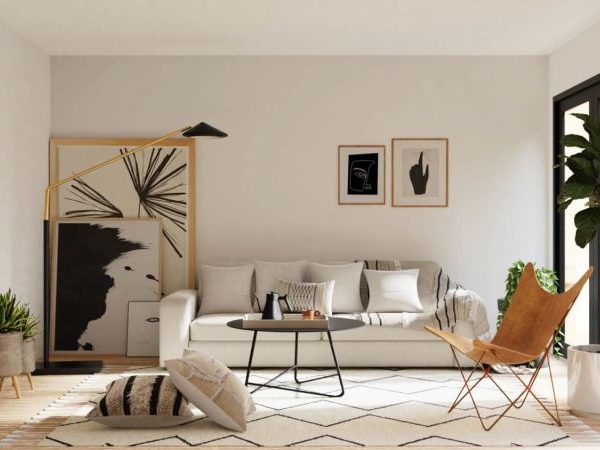
A small living room layout should protect walking paths before anything else. People often push every piece of furniture against the wall, hoping the center will feel open. Sometimes that works. Often, it leaves the room looking like a waiting area with a rug stranded in the middle.
Try pulling the sofa a few inches away from the wall if the room allows it. That tiny shadow line can make the space feel more intentional. In a New York rental, even four inches behind a loveseat can create the feeling of depth. The room gains a bit of confidence.
Furniture legs matter too. Sofas, media stands, and chairs raised off the floor let your eye travel underneath them, which makes the room feel lighter. Closed blocky furniture can work, but too much of it turns the floor into a wall. You want the floor to breathe because your eye reads open floor as open space.
Rental Decorating Ideas That Work With Limits
Rental decorating ideas need to respect leases, deposits, and the reality that not every landlord welcomes change. Peel-and-stick wallpaper, tension rods, plug-in wall sconces, washable rugs, and removable hooks let you add character without starting a battle. Freedom matters, but so does getting your deposit back.
The best renter-friendly changes often focus on surfaces. A tired kitchen can improve with a runner, cabinet pulls you swap back later, and a small lamp on the counter. A plain bedroom can change with layered bedding, framed prints, and curtains hung higher than the window frame.
Never underestimate lighting in a rental. Many American apartments come with overhead fixtures that make every room feel like a hallway. Add two or three lamps at different heights, and the mood changes fast. A floor lamp near the sofa, a table lamp by the bed, and a small task lamp near a desk can soften the whole home without touching the walls.
Use Storage as Decoration, Not an Apology
Storage becomes ugly when it looks like panic. Plastic bins stacked in corners, overloaded shelves, and random baskets on every surface can make a room feel like it is constantly bracing for company. Storage should feel planned. Better yet, it should carry some of the room’s style instead of hiding in shame.
Small Apartment Decor Ideas for Clutter Control
Small apartment decor ideas work best when storage appears where clutter naturally begins. A basket across the room from the mess will not help. A tray exactly where receipts, earbuds, and sunglasses land can change your habits without demanding discipline. Design should make the right choice easier than the wrong one.
Closed storage deserves more respect than it gets. Open shelving looks beautiful when every item has room, but most people do not live inside a catalog. Closed cabinets, lidded boxes, skirted tables, and under-bed drawers protect the room from visual noise.
A useful trick is to give every category a limit. One basket for throws. One drawer for cables. One shelf for books you still care about. When the container fills, the problem is not the container. The problem is the amount of stuff asking a small home to forgive it.
Space Saving Furniture With Hidden Storage
Space saving furniture with hidden storage can keep a small apartment from feeling overworked. A lift-top coffee table can hold remotes, chargers, notebooks, and coasters. A bed frame with drawers can remove the need for a bulky dresser. A bench with storage near the entry can handle shoes, umbrellas, and reusable grocery bags.
The key is choosing storage that matches the item’s real use. Seasonal blankets belong under the bed, not in the coffee table. Dog leashes belong near the door, not in a bedroom drawer. If storage forces you to cross the room at the wrong moment, you will stop using it.
Hidden storage should not become hidden clutter. That is the trap. A drawer under the sofa can become a junk cave if it has no purpose. Label it mentally before you fill it. The more specific the role, the longer the system lasts.
Add Personality Without Crowding the Apartment
A functional apartment can still feel flat if it has no point of view. The final layer is personality, and this is where small spaces can shine. A compact home does not need twenty decorative objects to feel alive. It needs a few choices with meaning, scale, and confidence.
Rental Decorating Ideas for Walls, Textiles, and Color
Rental decorating ideas for personality should start with the biggest low-risk surfaces: curtains, bedding, rugs, pillows, and art. These pieces travel with you when you move, so they are worth choosing with care. A bold quilt or patterned rug can give a plain apartment more identity than a dozen small trinkets.
Color works best when it has a plan. You do not need an all-white apartment to make a small place feel calm. Deep green curtains, rust-colored pillows, or a navy accent chair can look rich in a compact room if the rest of the palette gives them room. Color becomes a problem only when every object is shouting.
Artwork should carry size, not clutter. One large framed print above a sofa can look cleaner than eight tiny frames scattered across the wall. Scale reads as confidence. Tiny decor often reads as hesitation, and small homes do not have much room for hesitation.
Small Living Room Layout Details That Make Guests Comfortable
A small living room layout should make guests feel invited, not trapped. Seating does not have to be abundant, but it should be thoughtful. A firm ottoman, a lightweight accent chair, or a sturdy dining chair pulled into the conversation can make the room flexible without permanent crowding.
Side surfaces matter more than people admit. A guest needs somewhere to set a drink. You need somewhere to place a book. A tiny C-table beside the sofa or a nesting table near the chair can prevent the room from feeling improvised every time someone visits.
Personal details should appear where they can be enjoyed, not everywhere at once. A ceramic bowl from a road trip, a framed family photo, a stack of favorite books, or a plant you have managed to keep alive can say enough. The room does not need to tell your entire life story in one glance. It only needs to feel like someone real lives there.
Conclusion
A small apartment gets better when every decision has a job, a reason, and a little bit of nerve. You do not need to wait for a bigger place, a better lease, or a larger budget before your home starts treating you well. The smartest apartment decorating tips come from noticing where daily life feels awkward and fixing that spot first. Once function works, style becomes easier because you are no longer decorating around frustration. Choose furniture that earns its place, storage that supports your habits, lighting that softens the room, and personal pieces that carry weight without creating clutter. Your home should not feel like a compromise you apologize for. It should feel like proof that you know how to make space work. Start with one corner you use every day, improve it with intention, and let that one better choice set the tone for the rest of your apartment.
Frequently Asked Questions
What are the best small apartment decor ideas for renters?
Start with changes that move with you, such as rugs, curtains, lamps, removable wallpaper, framed art, and flexible storage. These upgrades add warmth without risking your security deposit. Focus on the entry, sofa area, and bedroom first because those zones affect daily comfort most.
How can I make a small living room layout feel more open?
Protect clear walking paths, choose furniture with visible legs, and avoid blocking windows with tall pieces. A properly sized rug can also make the seating area feel organized. One strong sofa often works better than several tiny chairs that crowd the room.
What space saving furniture works best in a studio apartment?
A storage bed, nesting tables, lift-top coffee table, wall-mounted desk, and folding dining table work well in most studios. Pick pieces that serve more than one purpose without feeling flimsy. The best choice solves a daily problem, not an imaginary one.
What rental decorating ideas can improve an apartment without painting?
Use curtains, lamps, peel-and-stick backsplash panels, removable wallpaper, large art, and area rugs. Swapping cabinet hardware can also help if you save the original pieces. Lighting often creates the biggest mood change without altering walls or fixtures.
How do I decorate a small apartment on a budget?
Spend first on items you touch or use every day, such as bedding, lighting, storage, and a comfortable sofa. Thrift stores, marketplace listings, and discount home stores can help. Avoid buying filler decor because cheap clutter still costs space.
What colors make small living spaces feel bigger?
Soft whites, warm neutrals, pale greens, muted blues, and light earth tones can make rooms feel more open. Dark colors can also work when used with intention. The real issue is balance: too many competing colors make a small space feel restless.
How can I add storage without making my apartment look crowded?
Choose closed storage, furniture with hidden compartments, and baskets that match the room’s style. Place storage where clutter naturally forms. Avoid stacking bins in visible corners because that makes the room feel temporary, even when the system technically works.
What is the biggest mistake in apartment decorating for small spaces?
Buying decorative pieces before solving layout, storage, and lighting causes the most trouble. A room can look styled and still feel annoying to live in. Fix the daily friction first, then add personality through fewer, stronger choices.