
Airport bags earn trust on the least glamorous parts of a trip, not in a product photo. That is why Thule Crossover 2 is getting attention from U.S. travelers who want one carry on bag that feels organized, sturdy, and calm in a crowded terminal. It is not the cheapest option on the shelf, and that may be part of the point. People who fly often are tired of handles that wobble, wheels that chatter, and front pockets that swallow small items at the worst moment.
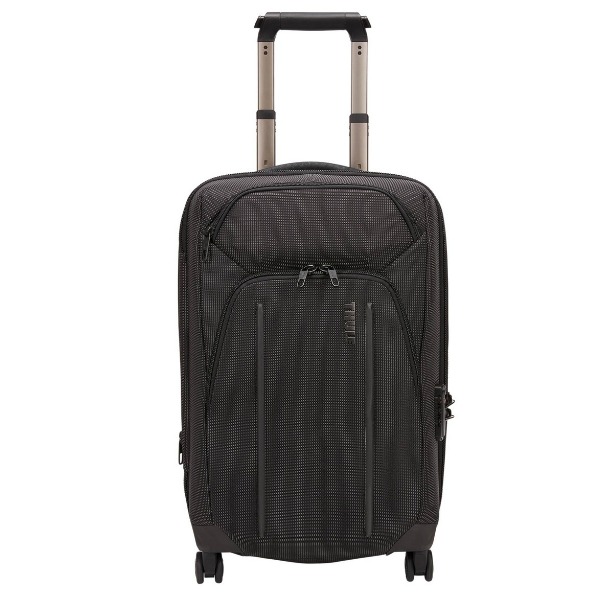
Thule lists this carry-on spinner as a bestseller, with a 35L volume, 7.6 lb weight, nylon build, 13.8 × 9.1 × 21.7 inch dimensions, and a $479.95 U.S. price on its official product page. It also includes eight spinner wheels, a crush-resistant SafeZone pocket, a TSA lock, internal compression wings, and 2.5 inches of expansion. For shoppers comparing travel gear through consumer product coverage, the appeal is simple: this is rolling luggage built for people who want fewer small travel mistakes.
Why This Carry-On Fits the Way Americans Travel Now
Short domestic trips are packed harder than they look. A three-day route from Chicago to Dallas, Boston to Atlanta, or Los Angeles to Denver can include work clothes, gym shoes, chargers, toiletries, and one clean outfit for a delayed flight. That pressure makes the bag matter. A good suitcase does not make travel easy, but it removes tiny fights before they start.
The rise of the short, packed domestic trip
Many American flyers are trying to avoid checked bags because waiting at baggage claim can wreck a tight plan. You land at 8:40 p.m., need a rideshare by 9:05, and have a morning meeting across town. In that moment, a carry on bag is not a style choice. It is your schedule.
The counterintuitive part is that smaller luggage often needs better structure than bigger luggage. A checked suitcase forgives sloppy packing because there is more room to waste. A cabin-size spinner punishes every odd shape. Shoes push against shirts. A toiletry pouch steals the corner. A laptop charger becomes a lump under the lid.
That is where a 35L format makes sense. It is not huge, but it is enough for disciplined packing. You still need restraint. The win comes from knowing where items go before the airport starts rushing you.
Why a soft-sided carry on bag still makes sense
Hard-shell cases own the social media look. They photograph well, stack neatly, and seem protective at first glance. Soft-sided rolling luggage can look old-school beside them. Yet soft fabric can be more useful when your trip includes receipts, snacks, a light jacket, and a charger you need before boarding.
A front panel pocket changes how the bag behaves in public. You do not have to unzip the main compartment near Gate B14 while someone’s roller bag bumps your ankle. You can reach the smaller items without exposing your packing to the whole line.
There is a tradeoff. Soft-sided luggage can bulge if you stuff it badly. That means the traveler has to do their part. The bag gives access and flex, but it will not save you from packing five “maybe” outfits for a two-night trip.
Thule Crossover 2 Rolling Luggage Works Because It Solves Small Airport Frictions
Most luggage reviews focus on capacity first. That makes sense, but capacity is only half the story. The better question is how the bag behaves when your hands are full, your phone is at 12 percent, and your boarding group has already been called. The spinner design, pocket layout, and handle stability matter because airports punish weak details.
The wheel setup matters more than it looks
The official feature list says this model uses oversized rear wheels with smaller recessed front wheels, plus a wide wheel base and V-tubing telescoping handle for a steadier pull. That sounds technical, but the real-world effect is easy to picture. You are leaving a parking garage, crossing a rough curb cut, then rolling onto polished airport flooring.
Tiny wheels feel fine on smooth tile. They get annoying on broken sidewalk, carpet seams, and shuttle bus ramps. A carry-on spinner that can move in more than one way gives you choices. Push it beside you in a security line. Tilt it behind you when the floor gets rough. Park it upright when you need to scan a boarding pass.
The hidden insight: perfect spinner motion is not always the goal. Four-wheel gliding looks elegant, but a bag that can also handle a tilted pull is often better for real American travel. Sidewalks, hotel entrances, and rental car lots are not showroom floors.
Organization beats extra pockets when the airport gets loud
The spinner includes a divided main compartment, internal compression wings with zippered storage pockets, a large front panel pocket with mesh divider, and a crush-resistant SafeZone compartment for smaller items. That is a better approach than adding random pockets everywhere.
Too many pockets can create a new problem. You forget where you put the AirPods. You check three zippers for your parking ticket. You start patting the bag like you lost your keys at home. Organization only helps when the zones are clear.
A simple setup works best. Put fragile items in the protected pocket. Keep the front panel for documents, snacks, cords, or a slim layer. Use the main compartment for clothes and shoes. That rhythm makes the bag feel familiar after one trip, which is exactly what frequent travelers want.
What the Design Gets Right for Business and Weekend Trips
A suitcase in this price range has to do more than survive a vacation. It needs to fit mixed travel: Thursday client meeting, Friday remote work, Saturday family visit, Sunday flight home. The best travel bag for that life does not shout. It stays composed while you switch roles.
A professional bag should not feel delicate
The product page describes a molded ballistic base, reinforcing bumpers, wear-resistant material, wear rails, oversized YKK zippers, and retractable grab handles on the top, side, and bottom. Those details matter because business travel is rough in boring ways.
Think about a consultant arriving at LaGuardia after a delayed connection. The bag gets pulled from an overhead bin, dragged through a rideshare pickup zone, lifted into a trunk, then rolled into a hotel lobby. None of that feels dramatic. It is ordinary wear.
A polished bag that cannot take that routine becomes stressful. You start babying it. You avoid setting it down. You worry about scuffs more than your meeting. A better travel suitcase should let you stop thinking about the suitcase.
Expansion helps, but it can tempt you into trouble
The 2.5-inch expansion feature is useful. It gives breathing room for a hoodie bought on a trip, a conference packet, or the extra clothes you needed after weather changed. It can turn a tight pack into a less annoying one.
Still, expansion is not free space. Once a carry-on grows, airline fit can become less predictable. Overhead bins differ by aircraft, and U.S. airlines set their own size limits. A bag that fits one route may feel tight on a smaller regional jet.
The smart move is to treat expansion as a return-trip tool, not a default setting. Pack the outbound flight clean. Use the extra room only when needed. For more packing guidance, add this to your future internal cluster: best carry-on packing tips for short U.S. trips.
Who Should Buy It, Who Should Skip It, and What to Check First
No suitcase is right for everyone. This one makes the strongest case for travelers who care about order, movement, and a grown-up look. It makes less sense for shoppers who only fly once a year or want the lightest bag at the lowest price. That honest line helps buyers avoid regret.
Best fit: commuters, consultants, parents, and neat packers
This carry-on spinner suits people who repeat the same kind of trip. Weekly commuters, sales teams, conference travelers, and parents taking short flights with kids can all benefit from clear access and steady movement. A parent flying from Phoenix to Orlando, for example, may value the front pocket more than another inch of interior depth.
Neat packers will get the most from it. Packing cubes, folded layers, and a planned toiletry kit work well with the divided interior. Messy packers may still like the bag, but they will not feel the full benefit.
There is also a style reason. The black nylon look works in a hotel, office, airport lounge, or family driveway. It does not look flashy. That restraint is part of its value.
Wrong fit: overpackers, bargain hunters, and hard-shell loyalists
The price alone will push some shoppers away, and that is fair. At $479.95 from Thule’s U.S. page, this is not an impulse buy. A traveler who flies twice a year may be happier spending less and accepting a weaker handle or simpler layout.
Overpackers should pause too. A 35L bag can hold a smart weekend or lean business trip, but it will not behave like a checked suitcase. If you pack full-size shoes, bulky denim, a blazer, and cold-weather layers, you may feel boxed in.
Before any U.S. flight, check both your airline’s carry-on size page and TSA’s What Can I Bring? guide, which lists what can go in carry-on and checked bags. For a broader buying path, this topic also pairs well with luggage buying guide for frequent flyers.
Conclusion
The strongest luggage is often the kind you stop noticing after a few trips. It rolls without drama, opens the way you expect, protects the small items that usually cause stress, and looks right in more than one setting. That is the real case for Thule Crossover 2 in a market full of louder, shinier bags.
It is not the answer for every traveler. The price is high, and disciplined packing matters. Yet the mix of spinner movement, front access, protected storage, expansion, and sturdy handling gives it a clear place for U.S. flyers who want one dependable cabin bag instead of a closet full of compromises.
Buy it for the airport you actually use, not the trip you imagine online. If your travel life is fast, practical, and packed with small transitions, this bag earns a serious look before your next flight.
Frequently Asked Questions
Is this Thule carry-on worth the price for frequent flyers?
Yes, for travelers who fly often and care about wheel control, pocket access, and long-term build quality. The price is harder to defend for casual vacationers. Frequent flyers usually feel the value in fewer small annoyances across repeated trips.
Does this bag fit most U.S. airline carry-on rules?
Its listed dimensions are within many common U.S. carry-on ranges, but airline rules vary. Always check your airline before flying, especially on regional aircraft. Expansion can also affect fit, so use that feature with care.
How much can the 35L capacity hold?
A disciplined packer can usually manage a two- to four-day trip, depending on shoes, weather, and work clothes. Packing cubes help. Bulky jackets, extra footwear, and full-size toiletries will eat the space fast.
Is a soft-sided carry-on better than a hard-shell suitcase?
It can be better for travelers who want outside access and slight packing flex. Hard-shell cases may protect against crushing better in some cases, but soft-sided bags often feel easier during airport movement and quick-item access.
What is the SafeZone pocket useful for?
It is useful for sunglasses, earbuds, a watch, small tech, or other items you do not want crushed. The best use is not stuffing it full, but reserving it for fragile pieces you reach for often.
Can this spinner work for business travel?
Yes, it has a polished look and enough organization for work trips. It pairs well with a laptop backpack or slim briefcase. The front pocket also helps with documents, chargers, and items needed during boarding.
Should overpackers choose this model?
Probably not. Overpackers may feel limited by the 35L space, even with expansion. A larger checked bag or a roomier carry-on duffel may feel better if you often pack extra outfits “in case.”
What should I check before buying?
Check the current price, return policy, airline size rules, and whether you prefer soft-sided luggage. Also think about your main trips. A bag that is perfect for weekly business travel may be more than a casual traveler needs.