
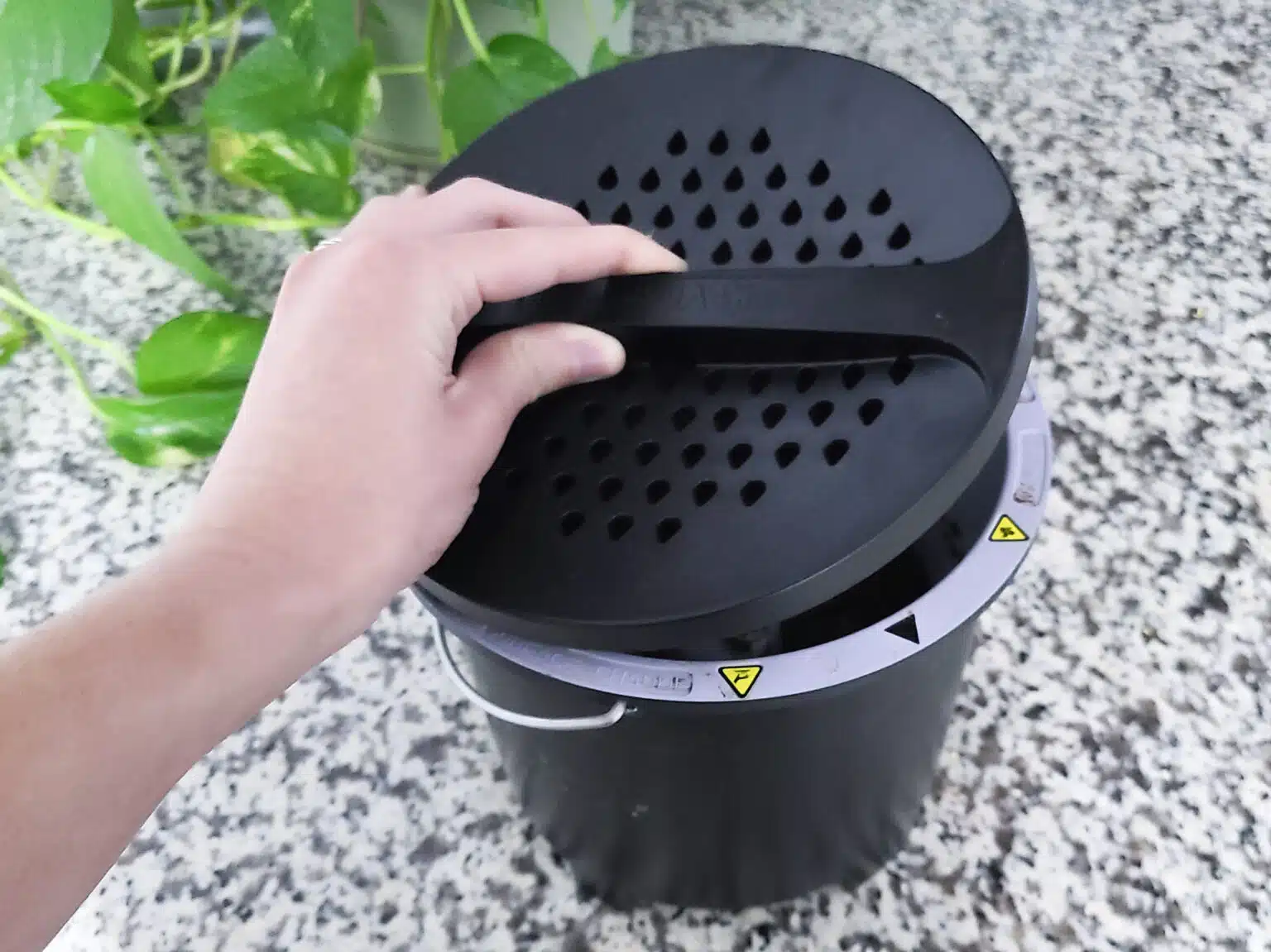
Food scraps have a way of making even a tidy kitchen feel dishonest. You cook a healthy dinner, wipe the counter, load the dishwasher, and still toss peels, stems, coffee grounds, and leftovers into a trash bag headed for the curb. That is why the Vitamix FoodCycler FC50 Kitchen Composter has caught attention among Americans who want a cleaner waste routine without turning the backyard into a science project. It fits the mood of the moment: practical sustainability, not guilt theater. The machine dries and grinds scraps indoors, cuts down odors, and gives households a cleaner path for handling waste before trash day. For readers following sustainable living ideas, the appeal is easy to understand. The best part is not that it makes anyone perfectly green. It does not. The appeal is that it makes one annoying daily problem easier to face. EPA guidance says food is a major landfill material and wasted food drives a large share of landfill methane, so even a small household habit can feel less small when repeated every week.
Why the Kitchen Composter Trend Moved From Garden Talk to Apartment Counters
Composting used to sound like a backyard word. It belonged near raised beds, leaf piles, and people who knew the difference between “green” and “brown” material without checking a guide. That left millions of apartment renters, condo owners, and busy families outside the conversation. The FC50 became interesting because it moved food-scrap control indoors. Not perfect composting. Not magic. A cleaner first step.
The apartment problem that made food waste visible
A food scrap bin sounds noble until July hits in Phoenix, Dallas, Miami, or Queens. Banana peels soften. onion skins cling to the bag. A small trash can turns sour in two days. For households without city compost pickup, that smell is often what ends the whole plan.
The FC50 speaks to that friction. Vitamix describes the unit as a compact household food recycler with a removable bucket, carbon filter lid, and a roughly 2.5-liter capacity. Its listed dimensions are 12.6 by 11 by 14.2 inches, so it is closer to a small appliance than a hidden drawer accessory.
That size matters. In a studio apartment, every object earns its place. A countertop food recycler has to beat the trash can in daily convenience, not in theory. If it feels like another chore, it will lose.
Why odor control matters more than perfect eco math
The online buzz around appliances like this often sounds bigger than the object itself. People are not sharing a gray machine because they love gray machines. They are sharing the relief of opening a lid and not getting hit with old food smell.
That is the non-obvious part. For many homes, odor control is the gateway habit. Once scraps stop feeling disgusting, people become more willing to sort them, save them, and think before tossing them.
A food waste recycler will not replace smarter shopping, meal planning, or local compost programs. It may, however, make those choices easier to keep. A family in Ohio that cooks five nights a week might fill the bucket with carrot tops, rice leftovers, egg shells, and coffee grounds. Instead of tying off a half-empty trash bag because it stinks, they can process that waste and use the dry output later.
That is not glamorous.
It is useful.
What the FC50 Actually Does to Food Scraps
The most honest way to understand the FC50 is to stop calling it a miracle compost box. It is an electric composting machine in the consumer sense, but it does not create finished garden compost the same way a living pile does. It dries, heats, and grinds. That distinction protects buyers from disappointment and protects soil from misuse.
Drying and grinding are not the same as finished compost
EPA guidance defines composting as managed aerobic breakdown by microorganisms. It also says material that has been ground, dehydrated, or liquefied by pre-processing technology is not finished compost. That point matters because the FC50 output can look like soil, but looks can fool you.
Think of the output as reduced food scrap material. It has lost water, volume, and smell. It has not gone through the full biological curing process that makes compost stable for broad garden use.
That does not make the machine useless. It makes it specific. The dry material can be mixed into soil with care, added to an outdoor compost pile, or handled as a cleaner bridge between your kitchen and a better waste system. The mistake is treating every finished cycle like a bag of potting mix.
What fits, what struggles, and what should stay out
Real kitchens do not produce neat waste. They produce wet lettuce, apple cores, coffee grounds, rice, small bones, citrus peels, bread ends, and the occasional forgotten container from the back of the fridge. Reviews from hands-on testers point to the FC50 doing well with many everyday scraps, though cycle time and bucket size remain common limits. Serious Eats, after long-term testing, found the machine simple to use and able to process scraps in several hours, while still noting its small capacity and countertop footprint.
That tradeoff is the heart of the product. A countertop food recycler gives you control, but not endless room. A two-person home may run it every few days. A family of four that cooks often may fill it much faster.
The practical rule is simple: do not treat the bucket like a trash can. Cut larger scraps. Avoid stuffing it past the fill line. Keep fibrous, hard, or risky items out unless the manual says they are allowed. A broken appliance is not sustainable. It is an expensive lesson.
For related home systems, this is where small-space kitchen organization matters. A machine works better when the workflow around it is clean.
Where It Makes Sense in an American Home
The FC50 makes the most sense where the normal composting path is blocked. That includes apartments without balconies, townhomes with strict HOA rules, suburban homes with pests, and cities where food-scrap pickup is limited or missing. It is not the best answer for everyone. That is why the honest buying question is not “Is it green?” The better question is “Will you use it three months from now?”
Apartments, condos, and households without city pickup
A renter in Chicago may want to compost but lack outdoor space. A condo owner in Los Angeles may have no place for a tumbler. A homeowner in Florida may avoid open compost because pests arrive fast. In those cases, an indoor machine becomes more than a gadget.
It creates a holding pattern. Scraps do not rot in the trash. They become dry, smaller, and easier to store until you decide what comes next.
EPA’s wasted food scale places landfill disposal among the least preferred paths, partly because wasted food in landfills generates methane and loses nutrients that could return to soil. The agency also notes that landfilled food makes up about 24 percent of municipal solid waste in the U.S.
That does not mean every household must buy an appliance. If your city offers curbside compost, use it. If you already run a healthy backyard pile, keep going. The FC50 shines when the better option is absent, inconvenient, or too messy to last.
The hidden cost of filters, counter space, and habits
Sustainable living blogs often celebrate the clean after-photo: scraps in, dry flakes out. The less photogenic part is ownership. Filters need replacement. The bucket needs cleaning. The unit needs space. The cord is short. The cycle takes hours.
None of that is a dealbreaker. It is the cost of convenience.
The buyer most likely to love this electric composting machine is not the person who wants a perfect eco badge. It is the person who already hates wasting food and needs help staying consistent. They are willing to rinse the bucket, learn the allowed scraps, and keep the machine near enough to use.
A good test is your coffee routine. If you already save grounds, clean the filter basket, and keep a small waste bowl while cooking, the FC50 may fit your rhythm. If you often leave dishes until the next morning and toss leftovers without looking, the appliance may become another silent box on the floor.
That is not judgment. It is buyer clarity.
For households improving more than waste habits, energy-saving home upgrades can sit in the same planning bucket. The best changes are the ones you can repeat without drama.
How to Use the Output Without Hurting Your Soil
The dry output is where excitement can outrun good sense. It looks earthy. It may smell mild. It feels like the end of the process. But soil is alive, and gardens do not reward shortcuts forever. The smartest users treat FC50 output as one ingredient, not a final product.
Treat the dry material as a starter, not black gold
Finished compost has gone through microbial breakdown and curing. FC50 output is closer to dried, ground organic matter. It still needs time, moisture, and living soil activity before plants can use it well.
That means small amounts are safer than heavy dumps. Mix it into soil rather than leaving it in clumps on top. Keep it away from tender seedlings at first. If you garden in containers, test with one pot before spreading it across every tomato plant you own.
A practical approach is to add the material to an outdoor compost bin, worm system, or garden bed during a resting period. Let nature finish what the machine started. This is slower than the marketing image in your head, but it is kinder to the soil.
The surprise here is that the machine may teach patience. It speeds up the kitchen stage, then asks you to respect the garden stage.
Build a better waste routine around the machine
The FC50 should not become permission to waste more food. That would miss the point. The highest value still comes from buying what you will eat, storing it well, and using leftovers before they turn.
The machine belongs after those choices. It handles the peels, stems, grounds, and scraps that remain after a decent kitchen routine. That order matters.
A simple weekly rhythm works well for many homes:
- Keep a small prep bowl on the counter while cooking.
- Add approved scraps to the bucket after meals.
- Run the cycle overnight or during work hours.
- Store the dry output in a labeled container.
- Add it to soil, a compost pile, or a local drop-off plan when ready.
That rhythm turns sustainability into muscle memory. No speech. No guilt. A system you can repeat.
Conclusion
The FC50 is popular because it solves a problem people can smell, see, and feel every day. It does not ask you to become a backyard compost expert by Sunday. It gives you a cleaner way to manage scraps when the trash can is winning. That is the real promise of a Kitchen Composter for many U.S. households: not perfection, but less waste friction. Still, the smart buyer should keep a clear head. This machine reduces and dries food scraps; it does not replace true composting, smart grocery habits, or local waste programs. Its value depends on your space, your cooking habits, and your willingness to manage the output with care. If you have curbside compost, use it. If you have a thriving pile, keep feeding it. But if food scraps keep ruining your kitchen routine, the FC50 may be the rare sustainability appliance that earns its place by making the better habit easier to live with.
Frequently Asked Questions
How does the Vitamix FoodCycler FC50 work?
It heats, dries, and grinds approved food scraps into a dry, reduced material. The process cuts odor and volume, but the output is not the same as fully cured compost. It still needs soil activity, time, or further composting before broad garden use.
Is the Vitamix FoodCycler FC50 worth it for apartments?
Yes, for renters who cook often and lack outdoor compost access. The main value is odor control and waste reduction in a small space. It makes less sense if you rarely cook or already have easy curbside food-scrap pickup.
Can FC50 output go straight into plants?
Small amounts can be mixed into soil with care, but heavy direct use is risky. The output is dried organic matter, not finished compost. Letting it age, mixing it into outdoor compost, or testing it in one container first is safer.
Does the FoodCycler replace regular composting?
No. It handles the kitchen stage by drying and grinding scraps. Traditional composting relies on microbes, oxygen, moisture, and time to create stable compost. The FoodCycler can support a compost routine, but it does not fully replace one.
What foods should not go in the FC50?
Users should follow the official manual because allowed scraps differ from normal backyard compost rules. Large fibrous pieces, excess liquids, and items the machine cannot grind well may cause trouble. When unsure, leave the item out.
How often would a family need to run it?
A two-person household may run it every few days, depending on cooking habits. A larger family may fill the bucket daily after fresh meals. The best schedule depends on scrap volume, not a fixed weekly rule.
Does the FC50 help reduce kitchen smells?
Yes, odor control is one of its strongest practical benefits. The lidded bucket and carbon filtration help keep scraps from smelling before processing. Cleaning the bucket and replacing filters on schedule are still part of ownership.
Is a countertop food recycler better than curbside compost?
Curbside compost is usually better when it is easy, reliable, and accepted in your area. A machine makes more sense where pickup is unavailable, outdoor bins attract pests, or indoor odor keeps people from separating scraps at all.