
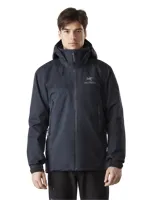
A fast outdoor gear sellout usually says one of two things: the item was understocked, or shoppers already trusted it before the drop went live. The Beta AR Jacket sits closer to the second camp, because U.S. buyers know this shell is not built for mall-window hype. It is the kind of rain layer people reach for when a weekend in Colorado turns ugly, a ski-town storm shifts sideways, or a fall hike in New Hampshire stops feeling friendly. That is why this restock matters. The supplied brief frames the story around a quick sellout and a new chance for buyers who missed the first wave. For readers tracking outdoor drops, retail demand, and product availability, gear and consumer product coverage helps put launches like this into a wider shopping context. Arc’teryx currently lists the men’s version as a revised best seller with GORE-TEX PRO ePE fabric and a U.S. sale price shown as $455, down from $650 at the time checked.
Why the Beta AR Jacket Restock Matters to U.S. Buyers
A restock can sound like a small retail update, but this one lands differently because Arc’teryx sits in a strange place. It is outdoor gear, fashion signal, ski-town uniform, and resale target all at once. That mix creates tension. Some shoppers want a serious mountain shell. Others want the bird logo before the good colors disappear. Both groups hit the same product page.
The sellout says more about trust than hype
When a shell sells fast, the easy take is that branding did the work. That misses the real reason buyers move quickly. A $650 hardshell is not an impulse buy for most Americans. Even at a discount, people tend to compare fit, weight, hood design, fabric, warranty, and whether the piece can cover more than one season.
That is where the all-around nature matters. The Beta line has long appealed to people who do not want five different shells for five different uses. You might wear it over a fleece in Portland rain, pack it for a Utah shoulder-season hike, and still take it to a wet ski weekend in Vermont. A jacket that covers those situations feels easier to justify.
The counterintuitive point is this: the faster sellout may not mean shoppers are reckless. It may mean they have already done the slow part. They read reviews, checked sizing, compared colors, waited for stock, and moved when the page changed. The buying moment looked sudden, but the decision was probably weeks old.
What an Arc’teryx restock means for timing
An Arc’teryx restock rarely rewards the casual browser. Sizes and colors can shift quickly, and the most wearable options usually go first. Black, neutral gray, deep blue, and muted earth tones tend to be safer for everyday use, which makes them popular with people who want one shell for trail and city wear.
The smart move is to decide your size before stock comes back. Arc’teryx cuts can feel trim in some layers and roomier in hard shells, so buyers should think about what goes underneath. If you plan to wear a fleece or synthetic puffy under it, a snug fit in the chest or shoulders can ruin the whole setup.
A non-obvious mistake is buying only for the mirror. A shell can look sharp standing still and still fail when you lift your arms, tighten a pack belt, or turn your head under the hood. That is why shoppers chasing a fast restock should not treat this like a hoodie drop. Fit under movement matters more than the clean front-view photo.
The Fabric Story Behind a Premium GORE-TEX Shell
The product page makes the technical pitch clear: this is a weatherproof GORE-TEX shell built for mountain use, with PRO ePE fabric and updated construction. Arc’teryx says the yoke and arms use an ultra-durable version for abrasion zones, while a lighter body fabric helps cut bulk. That split tells you the design goal. It is not trying to be the lightest rain layer in your closet. It is trying to survive rough use without feeling like a plastic tarp.
Why PRO ePE matters in real weather
A shell earns its keep when bad weather lasts longer than expected. A summer thunderstorm is annoying. Four hours of cold rain under a pack is different. That is when taped seams, hood structure, cuff closure, hem adjustment, and fabric feel start to matter.
GORE-TEX describes the men’s Beta AR as a lightweight, packable storm shell with a helmet-compatible DropHood, reinforced shoulders and elbows, taped seams, and a DWR finish that repels moisture. Those details do not sound exciting on a product card, but they show up on the trail. Shoulder reinforcement matters when pack straps rub all day. A good hood matters when wind pushes rain into your cheek instead of straight down.
The GORE-TEX shell question is not “Will it block rain?” at this price, it should. The better question is whether it keeps doing that while you move, sweat, reach, and layer. A cheap raincoat can keep water off for a short walk. A mountain hardshell has to manage the messy middle between protection and body heat.
The PFAS-free shift is not only a green talking point
Arc’teryx says the updated material is free from intentionally added PFAS and that revised patterning reduces fabric waste, saving 800 meters of material, which the brand compares to 400 jackets. That kind of update matters, but not in the shallow way product pages often frame it. Buyers still care first about staying dry. Sustainability only works when the gear still performs.
The interesting part is that environmental updates can raise buyer anxiety. Some longtime gear users worry that new materials will feel weaker, wet out sooner, or lose the old “tank shell” character. That fear is not silly. Outdoor buyers have been burned before by lighter gear that looked better in a lab than it felt in a storm.
For this alpine rain jacket, the real test is whether the newer fabric keeps the old trust. Arc’teryx is clearly betting that durability, lower bulk, and cleaner chemistry can live in the same product. That is the right direction, but the buyer’s standard should stay practical: check how it fits, how it vents, how it layers, and whether it suits your weather.
Who Should Buy It Before the Next Sellout
Not every shopper who wants this shell needs it. That may sound harsh, but it is the fairest way to look at a premium hardshell. If you mostly walk from the parking lot to the office, there are cheaper rain jackets that will do the job. The value appears when your weather changes fast, your trips are harder to reschedule, or your gear has to cover several roles.
The best buyer is not always the most extreme adventurer
The obvious customer is the skier, climber, backpacker, or mountain traveler. That person will use the hood, pit zips, pocket placement, and abrasion resistance. For them, the price can make sense because the shell becomes part of a safety system, not an outfit.
But the less obvious customer may be the frequent U.S. traveler who hates packing wrong. Think Seattle work trip, Denver weekend, Maine coast in October, and a smoky, windy trail day in Montana. One dependable shell can remove a lot of guesswork. You still need insulation under it, but your outer layer stays solved.
OutdoorGearLab measured the shell at 16 ounces in a men’s medium and praised its range of motion, weather resistance, hood design, exterior pockets, and mobility, while noting that it sits on the heavier side and has a smaller interior pocket. That is the trade. You are not buying a featherweight emergency layer. You are buying a piece you expect to wear when the forecast looks unfriendly.
When a cheaper shell makes more sense
A premium alpine rain jacket is not magic. It will not make a warm, humid hike feel cool. It will not replace insulation. It will not turn a poor layering system into a good one. People sometimes overspend on the outer shell and then wear the wrong base layer under it, which leads to sweat, chill, and disappointment.
If your main use is dog walks, school pickup, light camping, or short city commutes, a midrange rain shell may be smarter. You can spend the difference on better shoes, a warm fleece, or a proper daypack. That will improve more days than a top-tier shell you rarely push.
The odd truth is that the best reason not to buy this restock is respect for the product. If you will not use the hood over a helmet, open pit zips on a climb, or wear it under a pack, you may be paying for engineering that sits idle. That does not make the purchase wrong. It makes the value personal.
How to Buy Smart During a Fast Outdoor Drop
Restock pressure can make careful shoppers act sloppy. The product page goes live, a color shows up, and suddenly fit checks disappear. That is how people end up with a shell that is too tight over layers or too large in the hem. Fast drops reward preparation, not panic.
Decide your size before the page changes
Before any Arc’teryx restock, check the size chart, compare it with a shell you already own, and think about your cold-weather layers. A hard shell should not fit like a T-shirt. You need shoulder room, sleeve reach, and space through the torso for a fleece or light puffy, depending on your use.
There is a simple at-home test if you already own similar gear. Put on your base layer and midlayer, then try your current shell. Raise both arms. Reach forward like you are holding trekking poles. Bend down as if you are adjusting a boot. If the hem rides high or the shoulders pull, remember that before choosing your size.
The non-obvious detail is sleeve length. Long sleeves look annoying indoors, but they help when your arms are extended on poles, bike bars, or a scramble. Too many people judge a technical shell in a relaxed standing pose. That is the least useful position.
Shop for use case, not the loudest color
Color is personal, but use case should lead. Brighter colors help in snow, rain, and low-visibility mountain settings. Muted colors move better through airports, city streets, and daily errands. Neither choice is more “authentic.” The right one is the one you will still wear two years from now.
For a shell this expensive, returns and warranty terms matter. Buy from Arc’teryx or a trusted retailer, avoid suspicious discounts, and be careful with marketplace listings after a sellout. High-demand outdoor gear attracts counterfeits and vague “new without tags” offers. Saving money is not a win if the fabric, zipper, or warranty support is questionable.
Pair the purchase with care habits from day one. Wash technical shells when they need it, follow brand care instructions, and refresh the DWR when water stops beading. A premium GORE-TEX shell can perform for years, but only if you do more than hang it in a closet after muddy trips. For related planning, add how to choose technical outdoor gear and best rain layers for mountain travel to your buying checklist.
Conclusion
The restock is worth watching because it sits at the meeting point of real performance and real demand. That is rare. Plenty of products sell out because they are loud online, but this one has a stronger case because the design solves actual weather problems for hikers, skiers, travelers, and everyday buyers in rough climates. For shoppers who missed the Beta AR Jacket, the next smart move is not panic-buying the first size that appears. It is knowing your fit, your layering plan, your return window, and your reason for spending premium money. A shell like this should earn its place in your closet by getting used, not admired. Check the GORE-TEX Brand product listing, compare your sizing notes, and move only when the piece matches your real life.
Frequently Asked Questions
How fast should I act when an Arc’teryx shell comes back in stock?
Act once you already know your size, color preference, and return option. Fast restocks can disappear quickly, but rushing without a fit plan causes expensive mistakes. Prepare before the drop, then buy only when the available version matches your actual use.
Is this shell worth it for everyday city wear?
It can be worth it if you live in a wet, windy city and also travel or hike. For short errands only, a cheaper rain shell may make more sense. The value grows when one layer handles daily weather and outdoor trips.
What makes a GORE-TEX PRO ePE shell different?
It is made for high weather protection, durability, and breathability in demanding use. The ePE update also moves away from intentionally added PFAS in the membrane. Buyers should still judge it by fit, venting, care needs, and long-term comfort.
Should I size up for winter layering?
Size up only if your normal size feels tight over the midlayers you actually wear. A shell that is too large can flap, bunch, and feel sloppy under a pack. Test shoulder reach and chest room before deciding.
What color is best for a technical rain shell?
Bright colors help with visibility in mountain weather, while neutral colors work better for travel and daily use. The best color is the one that fits your main setting. Do not choose a loud shade if it will keep the shell in your closet.
Can this replace an insulated winter jacket?
No. It is an outer shell, not a warm coat. You still need base layers and insulation underneath in cold weather. Its job is to block wind, rain, and snow while your other layers manage warmth.
Why do Arc’teryx products sell out so quickly?
Demand comes from performance buyers, brand loyalists, style shoppers, and resale interest hitting the same stock. Popular sizes and colors move first. Limited availability makes the rush worse, especially when a model already has a strong reputation.
What should I check before buying from a reseller?
Check tags, photos, seller history, return terms, and price realism. Be careful with deals that look too clean after a sellout. Buying from Arc’teryx or an authorized retailer gives you better protection, clearer returns, and more confidence in authenticity.