
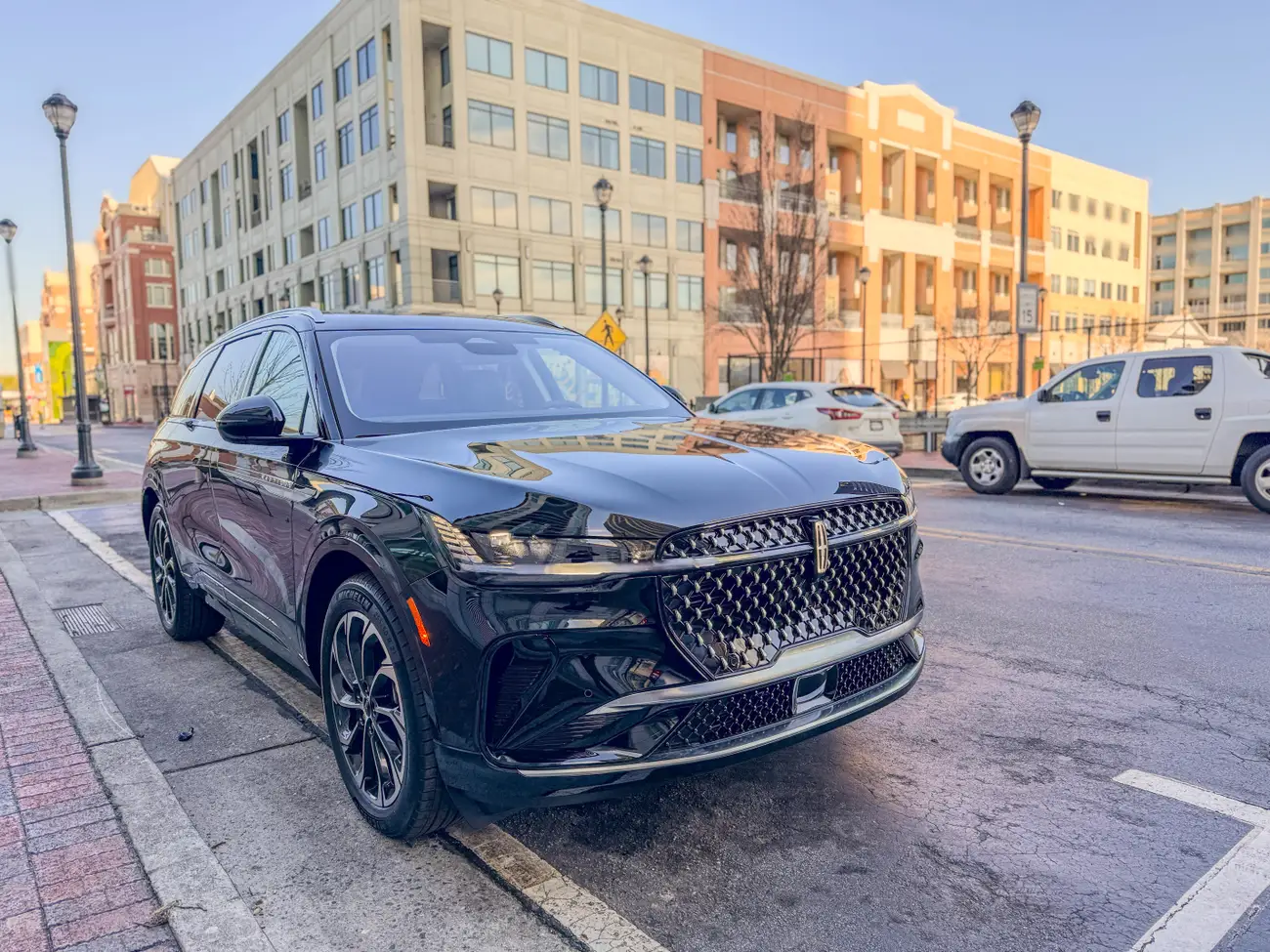
A quiet cabin can sell an SUV faster than a loud spec sheet. That is why Lincoln Nautilus interest makes sense among U.S. buyers who want electric-style smoothness, a calm ride, and a luxury interior without jumping into a full plug-in routine. The current Nautilus is best understood as an electrified hybrid choice, not a pure battery SUV, since Lincoln lists a standard turbocharged 2.0L engine and an available 2.0L turbocharged hybrid option across the lineup.
That detail matters. Shoppers walking into a dealer may hear “electric” and expect charging cords, range estimates, and tax-credit talk. The better question is simpler: does this midsize luxury SUV make daily driving feel richer, easier, and less tiring? For many Americans, especially commuters, small families, and downsizing empty nesters, the answer starts inside the cabin. The Nautilus leans into screens, seating comfort, soft materials, and a slower kind of premium feel. For more auto market updates and buyer-focused coverage, current automotive news helps readers track what is reaching showrooms now.
The Dealership Story Is Less About Speed and More About Mood
Most dealership launches are built around noise. Bigger wheels. Faster acceleration. Sharper trim names. This one feels different because the Nautilus is not trying to act like a sports crossover in a suit. It is aimed at drivers who want the road to calm down once the door shuts.
Why showroom shoppers notice the cabin first
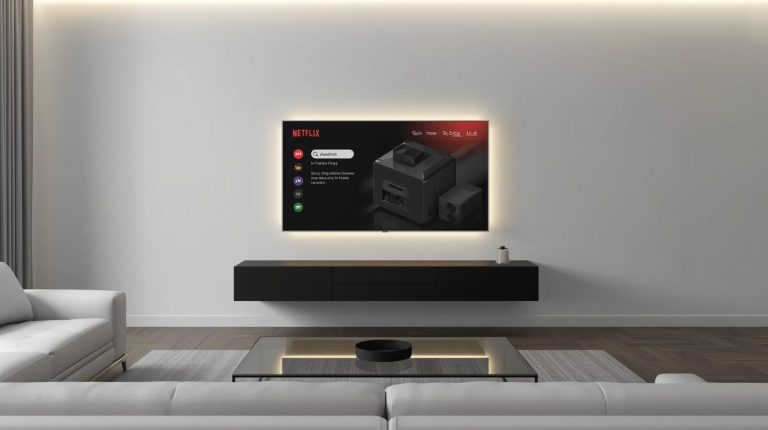
The first selling point is not buried under the hood. It is right across the dash. Lincoln says the Nautilus uses a pillar-to-pillar panoramic display, and Black Label details show a customizable 48-inch panoramic screen tied into the Lincoln Digital Experience with Google apps and services.
That kind of screen can feel like a gimmick in the wrong vehicle. Here, it fits the mission. A buyer sitting in a suburban Lincoln store in Dallas, Scottsdale, or suburban Detroit is not only comparing horsepower. They are asking if the cabin feels worth the monthly payment after a long workday.
The counterintuitive part is that a big display can make a cabin feel calmer when it is placed high and stretched wide. You are not staring down at a small tablet floating from the dash. Key information sits closer to your natural sightline. That can make the cabin feel less busy, even though the tech count is high.
Why comfort may matter more than the electric label
A lot of shoppers are not loyal to powertrain labels. They are loyal to habits. They want fewer gas stops, smoother takeoffs, and an SUV that feels expensive without asking them to change their garage setup.
That is where the hybrid powertrain matters. It gives the Nautilus some of the soft launch feel people connect with electrified driving, yet it does not ask owners to plan around chargers. For drivers in apartment buildings, older neighborhoods, or homes without easy Level 2 installation, that is not a small thing.
The luxury interior also works as a hedge against spec-sheet fatigue. Many rivals can match features on paper. Fewer make the second row, dashboard, lighting, and seat controls feel like one complete idea. That matters when the test drive is only fifteen minutes, but ownership lasts years.
What Lincoln Nautilus Buyers Should Know About the Hybrid Setup
The biggest buyer mistake is treating this SUV as a full EV. It is not. The current Nautilus sits in a more practical lane: a gas model with an available hybrid setup that gives shoppers a taste of electrified driving without asking them to plug in at home.
The available hybrid powertrain fits American routines
Lincoln’s model page lists an available 2.0L turbocharged hybrid engine and shows 29 mpg city and 31 mpg highway on that page. The broader SUV page lists the 2026 Nautilus as a two-row midsize luxury SUV with seating for five and EPA-estimated 30 mpg combined.
Those numbers are useful, but the lived benefit is easier to understand in traffic. A hybrid setup usually feels most helpful in stop-and-go driving, school pickup lines, city errands, and short commutes where gas engines waste energy crawling from light to light.
The non-obvious insight is that highway drivers may not feel the hybrid advantage as strongly as city drivers. At steady speeds, the cabin experience may matter more than the fuel savings. That is why buyers should test the exact route they drive most, not only the road near the dealership.
Why this is not the same decision as buying a full EV
A pure EV asks different questions. Where will you charge? How often do you road trip? Does your local utility offer off-peak rates? Will winter cut into range? Those are fair questions, but they are not the center of this Nautilus purchase.
Here, the question is whether the electrified assist makes the SUV feel smoother and more relaxed. It removes some friction without adding new chores. That is useful for a buyer in a split household where one person wants cleaner driving and the other wants a familiar ownership routine.
Shoppers should still check the window sticker, current dealer inventory, and the EPA fuel economy label before deciding. Fuel economy can vary by trim, wheel package, climate, tire choice, and driving style, so the smartest buyer treats the rating as a guide rather than a promise.
The Luxury Interior Is Doing the Heavy Lifting
The outside design gets attention, but the cabin is the reason this vehicle has a chance to pull buyers from Audi, Lexus, Genesis, Volvo, and Cadillac stores. Lincoln knows its lane. It is selling quiet confidence, not track-day attitude.
The screen setup changes how the front seat feels
The panoramic display gives the driver and passenger a wide information field without making the dash feel chopped into pieces. That matters because luxury buyers often react to layout before they react to features. A cabin can have plenty of tech and still feel cheap if the screens look added late.
Lincoln also lists an 11.1-inch center display as part of the Nautilus cabin story, paired with the wider digital setup. The result is a cockpit that feels modern, but not cold.
A real-world example is the evening commute. Navigation, audio, driver information, and cabin controls need to be readable when you are tired, the sun is low, and traffic is thick. A smart screen layout does not impress you once. It quietly helps you every day.
Lincoln Rejuvenate shows where the brand wants to go
One of the more interesting cabin features is Lincoln Rejuvenate. Lincoln describes it as a parked-vehicle experience that can coordinate seat position, heat and massage, climate, Digital Scents, sound, lighting, and screen visuals.
That may sound like a spa feature, but the deeper point is sharper. Lincoln is not only trying to sell transportation. It is trying to sell recovery time. Five minutes in a parking lot before a meeting, after a school drop-off, or before walking into the house can feel different when the cabin has been built for decompression.
The counterintuitive part is that this kind of feature may matter more than a power boost. Plenty of buyers will forget the exact horsepower after purchase. They will remember whether the seat helped their back after a two-hour drive.
How It Compares in the Real Dealer Aisle
A buyer does not shop in a vacuum. The Nautilus has to make sense beside the Lexus RX, Genesis GV80, BMW X5, Volvo XC90, Cadillac XT5, and Acura MDX. Each has its own pitch. The Nautilus has to win with a different kind of confidence.
The strongest rival may be the buyer’s old SUV
Many shoppers are not leaving another luxury brand. They are replacing a five- or seven-year-old mainstream SUV that has started to feel loud, plain, or dated. That person may not care about brand prestige as much as daily comfort.
For that buyer, this midsize luxury SUV offers a clear jump. The screen layout, quieter cabin aim, available hybrid powertrain, and seating for five create a package that feels familiar in size but richer in use. It does not demand a new lifestyle.
A family in Ohio trading from a Ford Edge, Toyota Highlander, or older Jeep Grand Cherokee may find the Nautilus easier to justify than a larger three-row SUV. They get a more polished cabin without paying for seats they no longer need.
Dealer ordering matters more than the badge
The smartest move is to compare actual builds, not model names. Lincoln’s build tool notes that a retailer representative can confirm vehicle choices, pricing, and order details after a shopper submits a configuration. That step matters because the right options can change the whole ownership feel.
Wheel size, interior theme, seat package, audio setup, exterior color, and hybrid availability can shift the vehicle from sensible premium crossover to high-payment indulgence. The badge gets you into the showroom. The build sheet decides whether you should sign.
The non-obvious insight here is that a lower trim with the right cabin choices may feel better than a higher trim filled with things you do not use. A buyer who cares about seat comfort, screen function, and fuel use should not get distracted by every appearance package on the floor.
Conclusion
The Nautilus is arriving at an interesting moment for American luxury shoppers. Full EV interest is real, but so is hesitation around charging, resale, cold-weather range, and home setup. A refined hybrid SUV gives buyers a middle path that feels modern without making ownership feel like a project.
The bigger point is that Lincoln Nautilus demand will depend less on whether people call it electric and more on whether the cabin feels worth choosing every morning. The luxury interior, wide digital display, available hybrid setup, and quiet-first personality give it a clear place in a crowded market.
For shoppers, the best move is simple. Test the exact trim you would buy, drive it on familiar roads, sit in the second row, check the fuel label, and compare real dealer numbers. Do that, and the Nautilus becomes easier to judge. Not as hype. As a daily space you have to live with.
Frequently Asked Questions
Is the new Nautilus a fully electric SUV?
No, the current model is not a full battery-electric SUV. It is offered with a gas engine and an available hybrid setup. That makes it better for shoppers who want electrified smoothness without needing home charging or public charging stops.
How much does the hybrid setup matter for daily driving?
It matters most in city traffic, errands, school runs, and short commutes. Those are the places where hybrid assist can feel smoother and more useful. Highway-heavy drivers may care more about ride comfort, seating, cabin noise, and screen layout.
Is the Nautilus a good choice for families?
Yes, for small families or empty nesters who do not need a third row. It seats five and gives buyers a calmer cabin than many mainstream SUVs. Families needing frequent seven-passenger space should compare three-row choices before deciding.
What makes the cabin feel different from older luxury SUVs?
The wide panoramic display, digital layout, available seat comfort features, and quiet design approach give it a more modern feel. It does not rely only on leather and trim pieces. The cabin is built around mood, visibility, and daily ease.
Should I choose the hybrid or standard engine?
Choose the hybrid if you drive in traffic often and want smoother low-speed behavior with better fuel use. The standard engine may still make sense if pricing, availability, or long highway trips matter more to you than city efficiency.
Is this SUV worth considering over a Lexus RX?
Yes, especially if you want a calmer cabin style and a wide screen layout. The Lexus RX has a strong reliability reputation, so the better choice depends on priorities. Test both on the same day and compare seat comfort, visibility, and dealer pricing.
What should I check before buying from a dealer?
Check the window sticker, exact trim, wheel size, seat package, hybrid availability, warranty terms, dealer fees, and any required add-ons. Do not judge by the showroom model alone. A slightly different build can change both comfort and monthly cost.
Who is the best buyer for this SUV?
The best buyer wants a quiet two-row premium SUV with modern tech, soft road manners, and less interest in sporty drama. It fits commuters, couples, small families, and buyers moving up from mainstream SUVs who want comfort they can feel every day.