
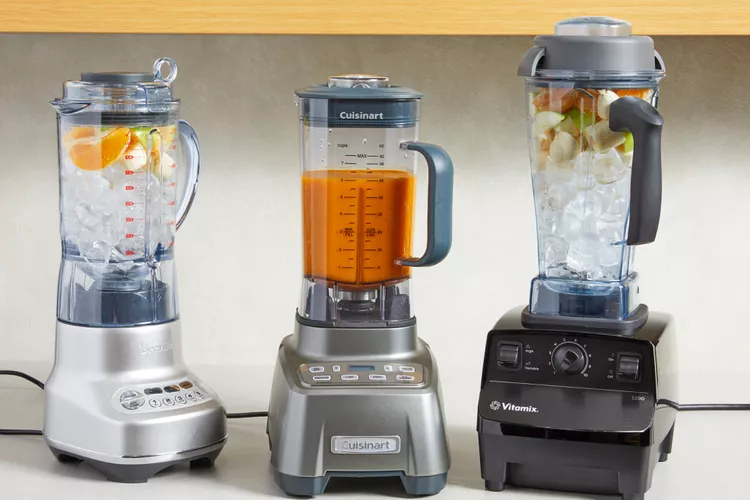
A blender built for a café counter changes the mood of a kitchen. The commercial blender appeal here is not about showing off; it is about getting a thicker smoothie, crushed ice drink, frozen coffee, or sauce without the machine whining like it is asking for mercy. The Vitamix Drink Machine sits in that rare space where restaurant habits meet home routines, and that makes it interesting for U.S. buyers who already cook, host, meal prep, or make daily drinks. Vitamix lists the model on its U.S. site at $502.95, marked in stock, with a 64-ounce container and simple High/Low controls. For readers following practical kitchen appliance news, the bigger story is not a fancy screen or a long row of presets. It is a bar-style machine becoming a serious home option for people who care more about repeat results than trendy features. That is a smaller promise, but it may be the one many kitchens need.
Why This Bar-Grade Vitamix Feels Different at Home
Most home buyers shop blenders by feature count. They compare buttons, colors, app claims, and preset names. That is the normal path, but it can miss the real question: what happens when you ask the machine to repeat a hard job every morning? The answer matters if your routine includes frozen berries, ice, protein powder, nut butter, fibrous greens, or thick bowls. A café does not need drama from a blender. Neither does a busy home kitchen.
The appeal is boring in the best way
The Vitamix Drink Machine is not trying to look like a countertop computer. Its draw is plain control. High and Low give you enough range for drinks without turning breakfast into a settings menu, and Vitamix says the design is meant to reduce training time in demanding spaces. That detail matters at home because the person making the drink may change from day to day. A house is not a test kitchen; it is a place where someone is late, someone else is hungry, and the recipe often changes by feel.
A parent in Ohio making two breakfast smoothies before school does not want to teach a teenager a full control panel. A couple in Phoenix making frozen margaritas for guests does not want a machine that needs three tries to pull ice down. This is where a two speed blender can feel less limited than expected. Fewer choices can mean fewer weak blends. It also keeps the machine from feeling precious, which is useful if you want it used by the whole household instead of guarded by one careful owner.
The non-obvious part is that simplicity can be more premium than complexity. Many shoppers see more modes and assume more value. In daily use, extra settings often become dead buttons. Low starts the mix. High finishes the texture. That is enough for most blended drinks when the motor and container are built for the work. The value is not in fine tuning every second; it is in getting the drink right while life keeps moving around you.
It turns home drinks into repeatable habits
A good drink routine is less about one perfect recipe and more about repeatable texture. Smoothies fail when frozen fruit bridges above the blades. Iced coffee drinks fail when ice breaks into gritty chunks. Protein shakes fail when powders stick to the container wall. Those problems feel small until they happen five mornings in a row. Then the bargain machine starts costing you patience, wasted ingredients, and time you did not plan to spend at the sink.
The Drink Machine line was made with frozen coffee drinks, fruit smoothies, granitas, shakes, and similar recipes in mind, according to Vitamix. That puts it closer to a café workflow than a casual kitchen gadget. It also explains why the machine feels better suited to drinks than to a buyer who wants one machine for every possible cooking task.
For U.S. homes, the timing is right. More people are building small coffee bars, smoothie stations, and weekend drink setups at home. A machine like this fits that shift because it does not ask you to become a chef. It asks you to load the container well, choose a speed, and let the blades do their job. That kind of repeatable routine is exactly why a home smoothie blender can become part of the counter instead of another appliance hiding in a cabinet.
What the Specs Say About Daily Performance
Specs can be dull on paper, but they tell you what kind of life a machine expects to live. A blender that weighs enough, vents heat well, and carries a large container sends a clear message. It is not built around one light drink. It is built for repeat blending, heavier loads, and users who may not baby the machine every time. That is why the spec sheet should be read like a behavior clue, not a brag sheet.
Motor strength matters after the first blend
Vitamix lists the unit with an enhanced motor rated at about 2.3 peak output horsepower, designed to resist overheating during repeated blends. That does not mean you should abuse it, but it does suggest a different design goal than a light-duty blender. The motor is not the whole story, yet it sets the tone for what kind of recipes the base can face without sounding strained.
That matters most on the second and third blend. Many machines can survive one smoothie. The difference appears when you make a round of frozen drinks, then another, then rinse and make a thick sauce. Heat builds. Ingredients drag. Cheap lids flex. The base starts to smell warm. That is the moment when a better motor design earns its spot. You do not notice the benefit because the machine performs a trick; you notice it because the second batch feels as routine as the first.
This is also where buyers should be honest. A single person making soft fruit smoothies twice a week may not need this type of machine. A household that blends every day, hosts often, or wants café-style drinks at home has a stronger case. The best purchase is not the most extreme one. It is the one you can defend on a Tuesday morning, not only during a sale page rush.
The container size changes how you cook
The 64-ounce BPA-free high-impact container gives the machine a different role than a small personal cup unit. Vitamix also notes a removable lid plug, which lets you add ingredients during blending. That sounds minor until you are fixing texture in real time. Anyone who has watched a smoothie turn from too thick to too thin knows the difference between a good adjustment and a ruined drink.
A home smoothie blender with a large container is also better for families. You can make enough for two or three people without running separate batches. For meal prep, it helps with pancake batter, blended soups, salsa, and freezer drink bases. The counterintuitive part is that a larger jar can save cleanup, even when the recipe is not huge. One larger batch can beat three personal cups when everyone wants the same drink.
There is a tradeoff. A tall 64-ounce jar needs storage space, and Vitamix lists the product dimensions at 20.0 x 7.52 x 8.74 inches. That height will not fit under every upper cabinet. Before buying, measure the counter where it will live. Also think about the outlet, the rinse path to the sink, and whether the lid can come off without hitting a cabinet.
Where a Commercial Blender Beats a Fancy Household Model
A home blender often sells comfort. It promises quiet mornings, pretty finishes, and one-touch recipes. A bar-grade model sells output. That is a different promise, and it can be better for the right buyer. The point is not that one category wins every kitchen. The point is knowing when you care more about texture, batch size, and repeat blends than soft-touch extras. Once you see it that way, the product starts to feel less like a splurge and more like a tool with a narrow, honest purpose. It is not trying to charm every buyer. It is trying to serve the buyer who keeps asking more from a blender than a light-duty unit wants to give.
Frozen drinks expose weak machines fast
Ice is the great test. It does not care about marketing copy. Vitamix says the blades on this model create enough torque to crush 48 ounces of cubed ice in seconds. That claim matters because frozen drinks are where many home units show their limits. Ice loads are loud, uneven, and stubborn, and they punish weak blade speed fast.
Think about a backyard cookout in Texas. You have burgers outside, kids running through the sprinkler, and adults asking for frozen lemonade. A weak blender turns that into a stop-start job. You shake the container, add too much liquid, thin out the flavor, and still find ice pieces in the glass. A stronger unit changes the rhythm. The host stays in the conversation instead of babysitting the base, and the drink arrives while the ice still feels fresh.
The non-obvious insight is that better ice handling is not only about colder drinks. It protects flavor. When a machine needs extra liquid to move the blend, the drink gets watery. A stronger blend path lets you keep recipes tighter, thicker, and closer to what you meant to serve. That can matter as much in a protein smoothie as it does in a party drink.
A two speed blender can be easier to trust
A long control panel looks helpful in a store. At home, it can become guesswork. Smoothie mode, frozen dessert mode, soup mode, pulse mode, clean mode, dip mode, spread mode. Some buyers love that. Others end up pressing the same two buttons forever. Once that happens, the rest of the panel becomes decoration you paid for but do not need.
This two speed blender keeps the decision simple. Low helps the ingredients start moving. High takes over when the mix is ready for full force. It is not the perfect control style for every recipe, especially if you want fine speed changes for delicate sauces, but it is easy to trust for drinks and thick blends. The machine asks for judgment at the start, then gives you a clear path: start gentle, finish strong.
That trust matters when several people use the machine. A spouse, roommate, older child, or visiting relative can understand it fast. In a small home bar setup, nobody wants a tutorial before making a milkshake. Clear controls keep the moment moving. That is why simple control can feel more grown up than a screen full of promises.
Buying It for Home Means Thinking Like an Operator
The best way to judge this machine is to stop thinking like a gadget shopper for a minute. Think like someone running a small drink station. Where does it sit? Who rinses it? What recipes repeat? How loud can it be? How much counter height do you have? These questions are not glamorous, but they decide whether a serious machine becomes a daily tool or an expensive block on the counter. The wrong kitchen can make a good machine feel annoying. A cramped apartment counter, a low cabinet, or a sink across the room can turn daily blending into a chore. The right setup can make it feel natural by the third day. Put it near the cups, freezer, or coffee gear, and the habit almost builds itself.
Price makes sense only when the workload is real
At $502.95 on the official U.S. product page, this model sits above many casual home blenders and below some high-end household Vitamix units during non-sale periods. Price alone does not prove value. Workload does. A tool earns its price when it removes repeated friction from a routine you already have.
A different household has a better case. Say you make protein smoothies before work, frozen coffee after lunch, and blended sauces for dinner twice a week. Add weekend guests, summer drinks, and thick fruit bowls. Suddenly the math shifts from “expensive blender” to “tool I touch almost every day.” That is the kind of math that matters in a U.S. kitchen where counter space is tight and buyers are tired of replacing weak appliances.
This is also where high-performance blender comparisons can help. The right question is not whether Vitamix is a known name. The question is which model matches your habits. Some homes need variable speeds. Some need quieter operation. Some need simple force and a big container. A home smoothie blender buyer should decide which camp they belong to before the cart button starts making the decision for them.
Warranty and care should shape the decision
The warranty details are worth reading before purchase. Vitamix says the Drink Machine 2-speed has a three-year warranty on motor base parts and one year on labor, while the blade assembly, container, and related parts are covered for one year. That is a different frame than many household models, so buyers should understand what is covered. Parts that touch hard ingredients take real wear, and warranty language tells you how the maker separates the base from those wear pieces.
Care also matters. Rinse soon after use. Do not let sugary drink mix dry under the lid. Use the tamper when a thick blend needs help, since Vitamix includes one for dense recipes like hard-to-blend fruit smoothies and açai bowls. A serious machine still needs basic discipline. Good habits protect the container, reduce odors, and keep sticky residue from turning a fast rinse into scrubbing.
For a home bar, smoothie corner, or family kitchen, the quiet win is consistency. You are not buying mystery. You are buying a machine with a clear job: make drinks and thick blends without drama. Once that job is clear, the buying decision becomes much easier. For more help choosing between drink-focused appliances, see this guide to home smoothie station ideas.
Conclusion
The smartest buyers will not treat this like a shiny kitchen toy. They will treat it like a station piece, the same way a good espresso grinder or heavy skillet earns a fixed place. The Vitamix Drink Machine makes the most sense when your home already has a rhythm around frozen drinks, smoothies, shakes, or thick blends. It is not the best fit for every counter, and that honesty helps the product more than hype does. The commercial blender value shows up when the workload repeats and the texture matters. If you want a machine that favors simple controls, large batches, and drink-shop muscle over decorative features, this model deserves a serious look. Measure your space, think through your weekly recipes, and buy for the kitchen you actually run.
Frequently Asked Questions
Is the Vitamix Drink Machine good for home use?
Yes, it can work well at home when you make smoothies, frozen coffee, shakes, or iced drinks often. It is better suited to regular use than occasional light blending, since its size, price, and design make more sense for repeat kitchen routines.
How much does the Vitamix Drink Machine Two-Speed cost?
Vitamix lists the U.S. price at $502.95 on its official product page. Actual checkout cost may vary with taxes, shipping terms, dealer pricing, or future promotions, so buyers should confirm the live price before ordering.
Can this model crush ice for frozen drinks?
Yes, Vitamix says the blades can crush 48 ounces of cubed ice in seconds. That makes it a strong fit for frozen lemonade, coffee drinks, smoothies, shakes, and other recipes where ice texture can make or break the drink.
Is a two-speed control enough for smoothies?
Yes, for most smoothie and frozen drink routines. Low helps start the blend, while High finishes the texture. Buyers who want fine control for delicate sauces may prefer a variable-speed household model.
How large is the container on this Vitamix model?
The machine comes with a 64-ounce BPA-free high-impact container. That size works well for family servings, meal prep, and party drinks, but it also means the jar is tall, so cabinet clearance should be measured first.
Does it come with a tamper?
Yes, Vitamix includes a tamper with this model. It helps move thick mixtures toward the blades, which is useful for dense smoothies, frozen fruit blends, and açai-style bowls that may not flow on their own.
Who should skip this blender?
Light users may not need it. A person who makes one small soft-fruit smoothie once in a while could save money and counter space with a simpler home unit. This model makes more sense when blending is part of a weekly routine.
What should I check before buying it?
Check counter height, storage space, warranty terms, and your real drink habits. A tall 64-ounce jar and stronger base are helpful only when the machine stays easy to access and matches recipes you make often.