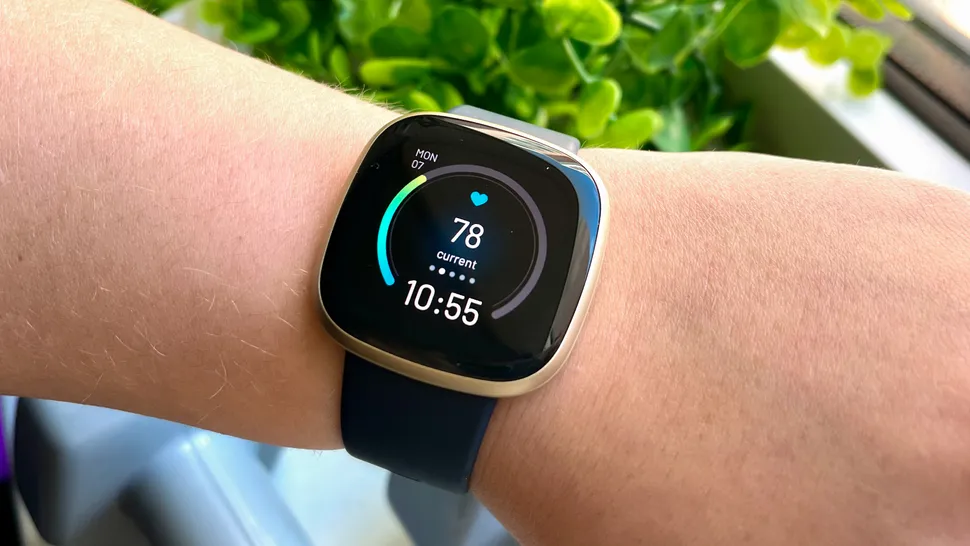
The next Fitbit band has to earn trust, not applause. For many US shoppers, Fitbit Charge 7 sounds exciting because it points toward a slimmer device that may handle deeper health signals without turning into a full smartwatch. The draw is clear: a cleaner wristband, stronger daily tracking, new ECG tools, and smarter health context inside Google’s growing health platform. Still, the smartest buyer should read the health claims with care. ECG on Fitbit devices already has a clear path, while blood glucose monitoring is a far more sensitive promise because the FDA has warned that no smartwatch or smart ring has been cleared to measure glucose values on its own without piercing the skin.
That is why this launch matters beyond gadget chatter. Americans are buying wearables for sleep, stress, heart rhythm, workouts, and early warning signs. A tracker that sits between a basic step counter and a medical tool needs honest framing. For readers following trusted consumer tech updates, the real question is not whether the new band sounds advanced. It is whether it gives useful signals without making health feel like a guessing game.
What Fitbit Charge 7 Must Prove Before Buyers Trust It
A new band can look sleek, count steps, and still fail if its health claims feel cloudy. Fitbit’s Charge line has built its name on comfort and simple daily tracking, not on acting like a doctor. That is the right lane. The tension now is that shoppers want deeper insight from a small band, while regulators and doctors want health features to stay clear about what they can and cannot do.
Why ECG Is the Easier Feature to Believe
The new ECG feature is the part most buyers can understand first. Fitbit already supports the Google ECG app on Charge 5 and Charge 6, along with Sense models and Pixel Watch devices. Google says the app records electrical signals from your heartbeat and can help distinguish possible AFib from normal sinus rhythm, though it cannot detect all heart conditions.
That matters because ECG is not new ground for Fitbit. The company has already built the user flow: open the app, touch the sensor areas, wait for the reading, and review the result. For someone in Phoenix who feels a strange flutter after coffee and a stressful commute, that kind of reading can be a useful note to discuss with a clinician.
The better promise is not “your wrist can diagnose you.” It is smaller and more useful. A tracker can help you notice a pattern sooner. It can also give you a cleaner record than memory alone.
Why Glucose Claims Need Plain Language
Blood glucose monitoring is a harder story. The FDA has warned consumers not to use smartwatches or smart rings that claim to measure glucose levels without piercing the skin, because those devices have not been authorized, cleared, or approved to measure glucose values on their own. The agency also says inaccurate readings can lead to dangerous diabetes-management mistakes.
So the responsible version of this feature would likely need to be framed as glucose-related support, trend display, or connection with an approved continuous glucose monitor, not a magic wrist reading. That difference may sound small, but it is the line between helpful tech and unsafe hype.
Here is the counterintuitive part: the best glucose feature may not be a sensor at all. It may be better app context around meals, sleep, exercise, stress, and third-party CGM data. A band that helps you see how a late dinner affects sleep and morning energy can still be useful, even if it never directly measures sugar from your wrist.
How the New Health Tools Fit Into Daily US Life
Most buyers do not live like fitness influencers. They work, drive, sit through meetings, grab takeout, miss sleep, and try again on Monday. A Fitbit health tracker wins when it fits that uneven rhythm. The best health tracker features are the ones you keep using after the launch buzz fades.
The Small-Band Advantage Is Comfort
A Charge-style tracker has one quiet advantage over a watch: it is easier to forget. That sounds boring until you wear it to bed. Sleep tracking only works well when the device stays on your wrist, and many people remove larger watches at night because they feel bulky.
Google’s current Charge 6 page still leans on that daily-use idea, pointing to heart rate, stress response through EDA, Daily Readiness, and ECG support in a compact tracker. It also includes Google Maps, Wallet, and YouTube Music controls, which shows how Fitbit has been moving the Charge line closer to smart features without turning it into a full watch.
For a nurse in Chicago working twelve-hour shifts, comfort may matter more than a flashy screen. If the band survives handwashing, sleep, short walks, and gym sessions without becoming annoying, it has already done half the job.
Better Context Beats More Numbers
Wearables have a number problem. Heart rate, HRV, oxygen variation, readiness, sleep stages, stress signals, workout zones, calories, and active minutes can start to feel like homework. More data does not always mean better decisions.
A smarter Fitbit health tracker should explain tradeoffs in plain English. It should say when you are probably under-recovered. It should show why a hard workout felt bad after poor sleep. It should avoid shaming you for a low-readiness day.
One non-obvious insight: people often need fewer charts, not more. A band that turns five signals into one useful suggestion may beat a device that shows twenty graphs and leaves you tired before breakfast. For related reading, a future internal guide like best fitness trackers for beginners would fit naturally beside this topic.
Where Google’s Health Platform Changes the Stakes
The Charge line no longer lives as a stand-alone Fitbit story. Google has been folding Fitbit into a wider health and Pixel device plan. That changes what buyers should watch. The hardware may be only half the product. The app, coaching, privacy rules, and subscription model may decide whether the device feels helpful or irritating.
AI Coaching Could Make or Break the Experience
Google has been moving Fitbit toward a more personal health-coaching model. In 2026, Google introduced Fitbit Air and described deeper health and wellness insights tied to the Google Health app and Google Health Coach. The company also said the Fitbit app is becoming the Google Health app, with fitness, sleep, health trends, connected apps, and privacy controls in one place.
That shift matters for any Charge update. A band with new sensors can collect signals, but coaching decides what those signals mean during a normal week. If the app can connect poor sleep, high resting heart rate, missed workouts, and stress into one clear suggestion, the hardware becomes easier to trust.
The risk is subscription fatigue. Many Americans already pay for phone storage, music, streaming, meal apps, and gym access. If the best insights sit behind a paid plan, the tracker must still feel useful without another monthly charge.
Privacy Is Part of the Product
Health data is personal in a way step counts are not. Heart rhythm, sleep patterns, menstrual tracking, glucose-related trends, and medical-record links can reveal more than many users expect. Any new tracker tied to deeper health features needs privacy that is clear enough for a normal buyer to understand.
Google says health data in the new Google Health app will not be used for Google Ads. That is the right kind of sentence for users to see early, not buried inside a settings menu.
The counterintuitive point is that privacy can be a selling feature, not legal housekeeping. A buyer comparing Fitbit, Apple Watch, Garmin, and Oura may care less about one extra metric than about who sees the data and how it is used. A clean privacy story could matter as much as battery life.
Should You Wait, Upgrade, or Buy the Current Model?
A product launch always creates a bad little pause. Buy now and you may regret missing the next version. Wait too long and you may miss a good deal on the current tracker. The best choice depends on what you need the device to do this month, not what a headline promises.
Current Charge Owners Should Be Practical
If you own a Charge 5 or Charge 6 and use it for steps, sleep, heart rate, workouts, and ECG, you may not need to rush. Google’s ECG support already includes Charge 5 and Charge 6 in the US and other listed regions, so that specific feature is not exclusive to a future band.
The upgrade case becomes stronger if the new model improves comfort, screen readability, GPS behavior, battery life, or app guidance. Those are the daily pain points that change how often people wear the device. A brighter screen is not glamorous, but it matters when you are trying to read pace during a sunny Saturday walk in Austin.
A bargain Charge 6 may still make sense for many buyers. Google said Charge 6 brought its most accurate tracker heart rate at launch and improved heart-rate tracking during vigorous activity compared with the prior generation.
New Buyers Should Watch the Medical Claims
New buyers should be most careful around blood glucose monitoring. A tracker that displays data from an approved CGM is different from a tracker that claims to measure glucose by itself. The FDA draws that line clearly, and buyers should too.
For people without diabetes, glucose-related trends may become a wellness feature. For people managing diabetes, the stakes are higher. Treatment decisions should rely on approved glucose tools and medical guidance, not a wristband’s wellness estimate.
A simple buying rule helps: purchase for the features that are confirmed, safe, and useful today. Treat future health promises as a bonus until the company explains them clearly. For a broader comparison, an internal article like smartwatch health features guide would help readers separate wellness tools from medical devices.
Conclusion
The next Charge has a chance to be more than a prettier wristband. Its value will come from restraint as much as ambition. Strong heart tracking, new ECG support, clearer recovery guidance, and better app context can make a small tracker feel more useful than many larger watches. The part that needs the most care is glucose. If Fitbit Charge 7 handles that topic through approved-device connections, honest trend support, and plain safety language, it could win trust from buyers who are tired of exaggerated health claims. If it sounds like a wrist-based medical shortcut, shoppers should slow down. The future of wearables is not about packing every lab test into a band. It is about helping people notice their bodies earlier, ask better questions, and make steadier choices. Buy the tracker that helps you act wisely, not the one with the loudest promise.
Frequently Asked Questions
Is the new Fitbit band expected to replace Charge 6?
Yes, it would likely be seen as the natural follow-up to Charge 6 if Google keeps the Charge line active. Buyers should compare confirmed specs, battery life, sensor changes, and app features before treating it as a must-upgrade device.
Can a Fitbit tracker diagnose heart problems?
No wearable should be treated as a full diagnosis tool. ECG features can flag possible rhythm concerns, but they do not detect every heart condition. Share unusual readings, symptoms, or repeated alerts with a licensed healthcare professional.
Is wrist-based glucose tracking safe for diabetes decisions?
No, not when it claims to measure glucose on its own without an approved sensor that pierces the skin. People managing diabetes should use FDA-authorized glucose tools and follow medical advice for insulin, medication, meals, and treatment choices.
What is the biggest reason to wait for the new tracker?
Wait if you care about better battery life, improved screen readability, stronger GPS, or deeper Google Health app guidance. Those upgrades affect daily use more than a new label on the box.
Should Charge 6 owners upgrade right away?
Most Charge 6 owners should wait for confirmed specs and reviews. If your current tracker handles sleep, workouts, heart rate, and ECG well, an upgrade only makes sense if the new model fixes a problem you feel often.
Will the new ECG feature need a subscription?
ECG access depends on device support, app availability, country rules, and Google’s final setup. Coaching or deeper insight may be tied to a paid plan, so buyers should check what works free before purchasing.
What should US buyers compare before choosing Fitbit or Apple Watch?
Compare battery life, comfort, ECG support, app quality, phone compatibility, privacy settings, and cost after subscriptions. Fitbit may appeal more to people who want a lighter band, while Apple Watch fits users who want broader smartwatch tools.
Is blood glucose monitoring useful for people without diabetes?
It can be useful as wellness context when handled safely, especially around meals, sleep, exercise, and energy patterns. Still, wellness trends should not be confused with medical glucose readings or treatment guidance.